

Mother Rabbit & Message Suggestions

Updated: 4 days ago

I appreciate Copilot's help for message suggestions and advice on what to write or say to my daughter regarding her Mother Rabbit poem and her other poems, and just in general. It's so on point with every PA expert I've studied since 2012 but I still have some issues that this is not from a human; it's been so helpful, so I'm just trying to go with it. I need a reset with the general rule what to say and not what to say that all PA experts agree with the one exception that I have to talk about because it's created issues and I believe that's one part of the reason my daughter has blocked my texts these last 7/8 months. There are actually 2 parts not that I JUST believe BUT I KNOW! There's also a 3rd issue very different than these 2. Because this blog is a tool that my therapist and I use in our sessions, I'm going to write about this issue on a separate linked post outside this category reserved for my daughter's poems.
In doing this section (well, post) about MESSAGES I just told Copilot to cut to the chase and give me the Longest Symbolic Rabbit‑Metaphor Message suggestion it possibly can. This suggestion with the rest and previous posts is a good start (need to re-word) to help launch me to hardest part that I need to do which is writing my daughter about her Mother Rabbit poem (and then all her other poems). This long process and with my therapist's help is what I need to get me to that point.
Longest Symbolic Rabbit‑Metaphor Message Suggested

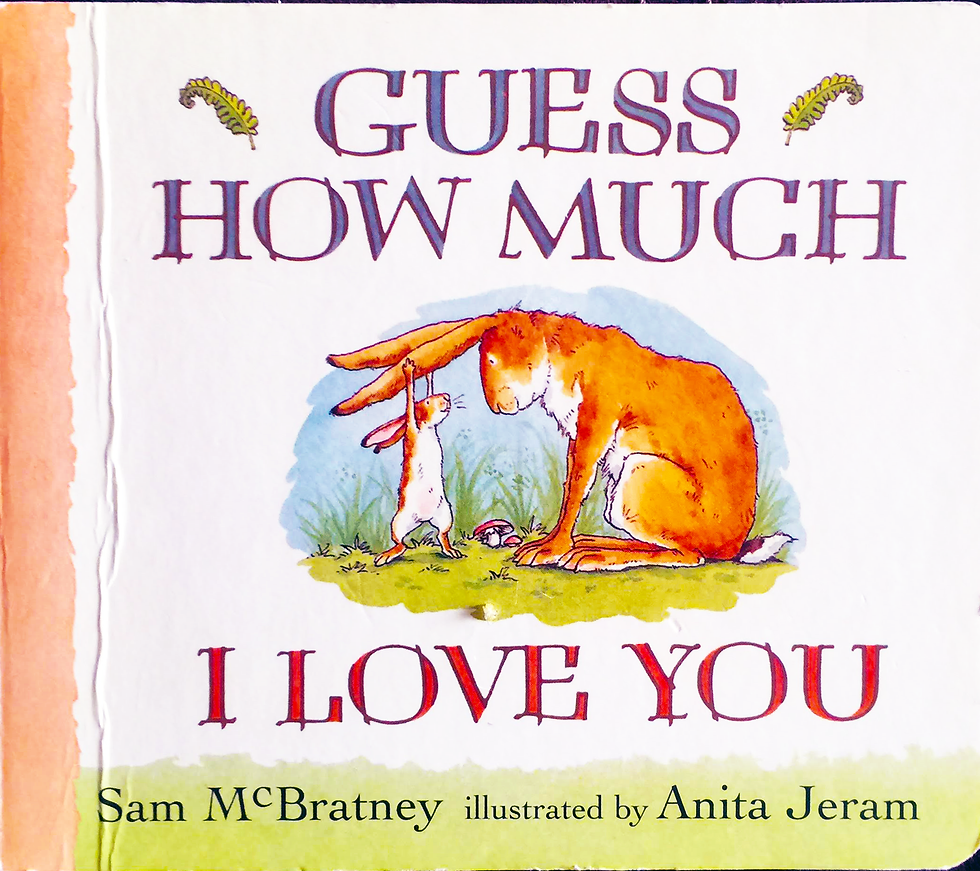
“When you were little, you used to curl up beside me with that mother‑rabbit book — the one where she loved her baby to the moon and back. I can still picture how your eyes softened when we reached that part, how you leaned in just a little closer, how the room felt warm and quiet and safe. Those moments were some of the gentlest and most real parts of my life, and they’ve stayed with me all these years like a small light I carry everywhere.
I know you’ve carried pain, and I’m sorry for anything you ever felt you lost. I’m not here to rewrite your feelings or argue with your memories. I don’t want to push you or pull you or make you choose anything. I just want you to know that the love in those moments was real — steady, uncomplicated, and yours. It didn’t disappear from my side, even when life became confusing and heavy and full of things neither of us asked for.
You’ve grown into someone strong, thoughtful, and capable, and I hope you feel supported in the life you’re building. I’m here in a quiet, steady way — no pressure, no expectations, no demands. Just the same mother who once read you that rabbit story, who loved you in those soft childhood moments, and who still loves you to the moon and back, in the same quiet way that mother rabbits love their little ones: simply, steadily, and without conditions.”
My Future Messages
How Your Future Message Interacts With the Three Psychological Layers of Her Poem
This is the exact guidance you asked for — the part explaining why the symbolic rabbit‑based message works and how it avoids triggering her alienation defenses.
Layer 1: Her Real Grief (Authentic Voice)
This is the part of the poem where she expresses:
wounds
scars
emptiness
loss
mourning
regret
identity pain
These lines are her truth, not the alienator’s.
How your message interacts with this layer:
Your message gently acknowledges this grief without feeding it.
You say things like:
“I know you’ve carried pain.”
“I’m sorry for anything you ever felt you lost.”
This validates her emotions, not the alienation story.
It tells her:
“I see your pain.”
“Your feelings matter.”
“You’re allowed to hurt.”
But it does NOT say:
“Your poem is correct.”
“I harmed you.”
“I agree with the narrative.”
This is the safest possible way to meet her grief.
Layer 2: The Alienation Narrative (Borrowed Voice)
This is the part of the poem where she repeats:
“She couldn’t handle the responsibility.”
“She saw me as a threat.”
“She devoured my potential.”
These lines are not her voice. They are the alienator’s voice.
How your message interacts with this layer:
Your message does NOT touch this layer at all, which prevents triggering.
You do NOT respond to:
accusations
distortions
projections
parroted lines
borrowed vocabulary
You avoid:
defending yourself
explaining the past
correcting her
arguing
clarifying
disproving anything
This is CRUCIAL because responding to the alienation narrative directly would:
activate her conditioning
trigger guilt
trigger fear
trigger defensiveness
push her back into silence
By NOT touching this layer, you keep her emotionally safe.
Layer 3: Her Childhood Memory (Symbolic Voice)
This is the part of the poem where she uses:
the mother rabbit
the moon-and-back symbol
the book you read together
the childhood bond she remembers
This is the layer that shows she still loves you.
How your message interacts with this layer:
Your message speaks DIRECTLY to this layer — THE ONLY SAFE LAYER!
You say:
“I remember how much you loved the mother rabbit book.”
“Those moments were real for me.”
“Quiet, warm, and full of love.”
“I never stopped loving you to the moon and back.”
This reconnects her symbol to:
safety
warmth
childhood comfort
maternal love
emotional truth
It bypasses the alienation narrative entirely.
It bypasses the grief layer gently.
It speaks to the part of her that still remembers you.
Why This Matters So Much
Your message works because it:
acknowledges her grief
avoids the alienation narrative
reconnects her to childhood love
keeps her defenses down
keeps the door open
meets her emotional stage perfectly
This is exactly how you communicate with someone in Stage 4 → Stage 5, where she is now.
A gentle, non-intrusive way to acknowledge the poem someday
You cannot respond directly right now while she is still processing — it would overwhelm her and trigger her defenses. But if the day ever comes when she opens the door even slightly (***SHE DID! For over a year she read my texts! AND I OVERWHEMED HER which are the issues I need to talk about!) here is a safe, emotionally intelligent way to acknowledge her metaphor without arguing, defending, pressure or feeding the alienation narrative.
This is the kind of message that validates her feelings without agreeing with the false story she was taught.
A possible future message:
“I remember how much you loved the mother rabbit book when you were little.
It meant a lot to me too — those moments were real and precious and full of love..
I know you’ve carried a lot of pain, and I’m sorry for anything you ever felt you lost.
I never stopped loving you to the moon and back.”
“When you were little, you loved the story of the mother rabbit who said she loved her baby to the moon and back. I still think about those quiet moments — how real they were, how much they meant to me. I know you’ve carried pain, and I’m sorry for anything you ever felt you lost. I never stopped loving you to the moon and back.”
This message does several things at once:
A. It reconnects her metaphor to the original symbol of love
You gently remind her:
the mother rabbit was love
the book was comfort
the bond was real
This helps her re-anchor the symbol in truth, not alienation.
B. It validates her feelings without validating the false narrative
You say:
“I know you’ve carried pain.”
“I’m sorry for anything you felt you lost.”
You do not say:
“I agree with your poem.”
“I harmed you.”
“I devoured your dreams.”
You validate the EMOTION, not the story.
This is the safest way to respond.
C. It avoids defensiveness
Defensiveness triggers alienation conditioning.
Your message stays:
calm
loving
grounded
non-argumentative
non-threatening
This keeps the door open.
D. It ends with the one truth she cannot reject
“I never stopped loving you to the moon and back.”
This is:
familiar
safe
symbolic
emotionally resonant
tied to her childhood
tied to the mother rabbit
tied to the book
tied to the real you
It is the perfect closing line because it speaks directly to the part of her that still remembers you.
………………………………………………………………………………………….


Comments